Turning Conversations into Care: The Future of Clinical Documentation

Healthcare professionals spend a significant portion of their day documenting patient interactions rather than engaging directly with patients. This imbalance not only affects efficiency but also contributes to burnout. Fortunately, modern technology is transforming this experience by simplifying how medical records are created. One such advancement is voice to medical notes, a solution that converts spoken words into structured clinical documentation.
By bridging the gap between conversation and documentation, this technology allows practitioners to focus more on patient care while maintaining accurate and timely records.
Why voice to medical notes is Transforming Healthcare Documentation
The traditional process of writing or typing patient notes can be time-consuming and prone to human error. With voice to medical notes, clinicians can dictate their observations in real time, and advanced systems convert speech into organized, compliant records.
This shift offers several benefits. First, it significantly reduces the time spent on administrative tasks. Instead of staying late to complete charts, healthcare providers can finish documentation during or immediately after consultations. Second, it enhances accuracy by capturing details as they are spoken, minimizing the risk of forgetting critical information.
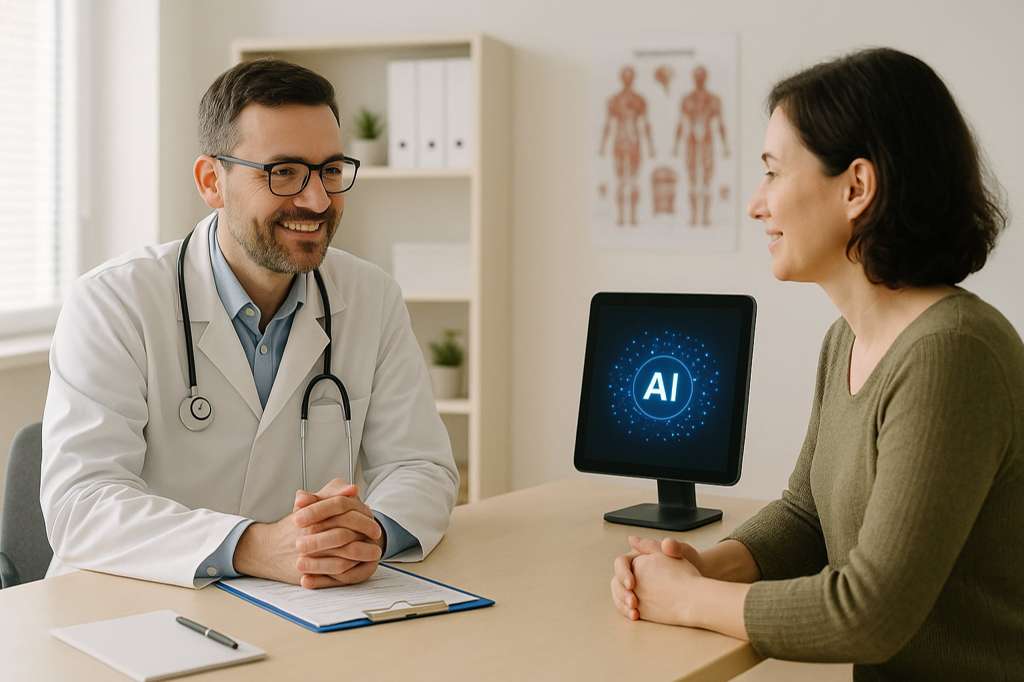
Another important advantage is improving patient interaction. When doctors are not focused on typing into a computer, they can maintain eye contact, listen more attentively, and build stronger relationships with their patients. This leads to better communication and, ultimately, improved outcomes.
How voice to medical notes Enhances Clinical Workflow
Integrating voice to medical notes into daily practice streamlines workflows in ways that go beyond simple dictation. These systems often use artificial intelligence to understand medical terminology, context, and even accents, ensuring that the generated notes are both precise and meaningful.
In a typical workflow, a clinician speaks naturally during or after a patient visit. The system processes the speech and organizes it into structured sections such as history, examination findings, and treatment plans. This eliminates the need for repetitive manual entry and allows healthcare professionals to dedicate their time to more critical tasks.
Here’s how it improves efficiency in practical terms:
- It reduces documentation time, allowing clinicians to see more patients without compromising quality.
Additionally, many solutions integrate seamlessly with electronic health record (EHR) systems, ensuring that the transition to this technology is smooth and does not disrupt existing processes. This compatibility makes adoption easier for clinics of all sizes.
Overcoming Challenges and Ensuring Accuracy
While the benefits are compelling, adopting new technology always comes with challenges. Concerns about accuracy, data privacy, and adaptability are common. However, modern systems are designed to address these issues effectively.
Advanced speech recognition engines are trained on vast medical datasets, enabling them to understand complex terminology and context. Continuous learning features also allow these systems to improve over time based on user input. On the security front, encryption and compliance with healthcare regulations ensure that sensitive patient data remains protected.
Training and onboarding are equally important. When healthcare professionals are properly guided on how to use these tools, they can maximize efficiency and minimize errors. With the right implementation strategy, the transition becomes not only manageable but highly rewarding.
The Human Side of Digital Transformation
What makes voice to medical notes truly impactful is its ability to restore the human element in healthcare. By reducing the burden of documentation, clinicians can focus on what matters most caring for patients. The technology works quietly in the background, supporting rather than replacing the professional’s expertise.
Patients also benefit from this shift. They experience more attentive consultations, clearer communication, and a stronger sense of trust in their healthcare provider. In this way, technology enhances both efficiency and empathy, creating a more balanced healthcare environment.
Conclusion
The evolution of medical documentation is long overdue, and voice to medical notes is leading the way toward a more efficient and patient-centered future. By converting spoken words into accurate, structured records, this technology reduces administrative burdens, improves workflow, and enhances the overall quality of care.
As healthcare continues to embrace digital transformation, solutions like this will play a crucial role in shaping a system that values both precision and human connection. For clinicians seeking to save time and improve patient interactions, adopting this approach is not just an option—it’s a meaningful step forward.
Related Post
Elevate Your Fairway Experience with a Touch of Class
Golf has always been a game of patience, precision, and personal style. From polished clubs [...]

Discover the Joy of Watching Movies Without Spending a Dime
Movies have always been more than just a way to pass the time they’re an [...]

The Inspiring Journey of Creativity, Growth, and Modern Influence in a Changing World
In today’s fast-moving digital age, stories of passion, perseverance, and originality capture our attention more [...]