Perches Guide: Choose the Best for Healthy Birds
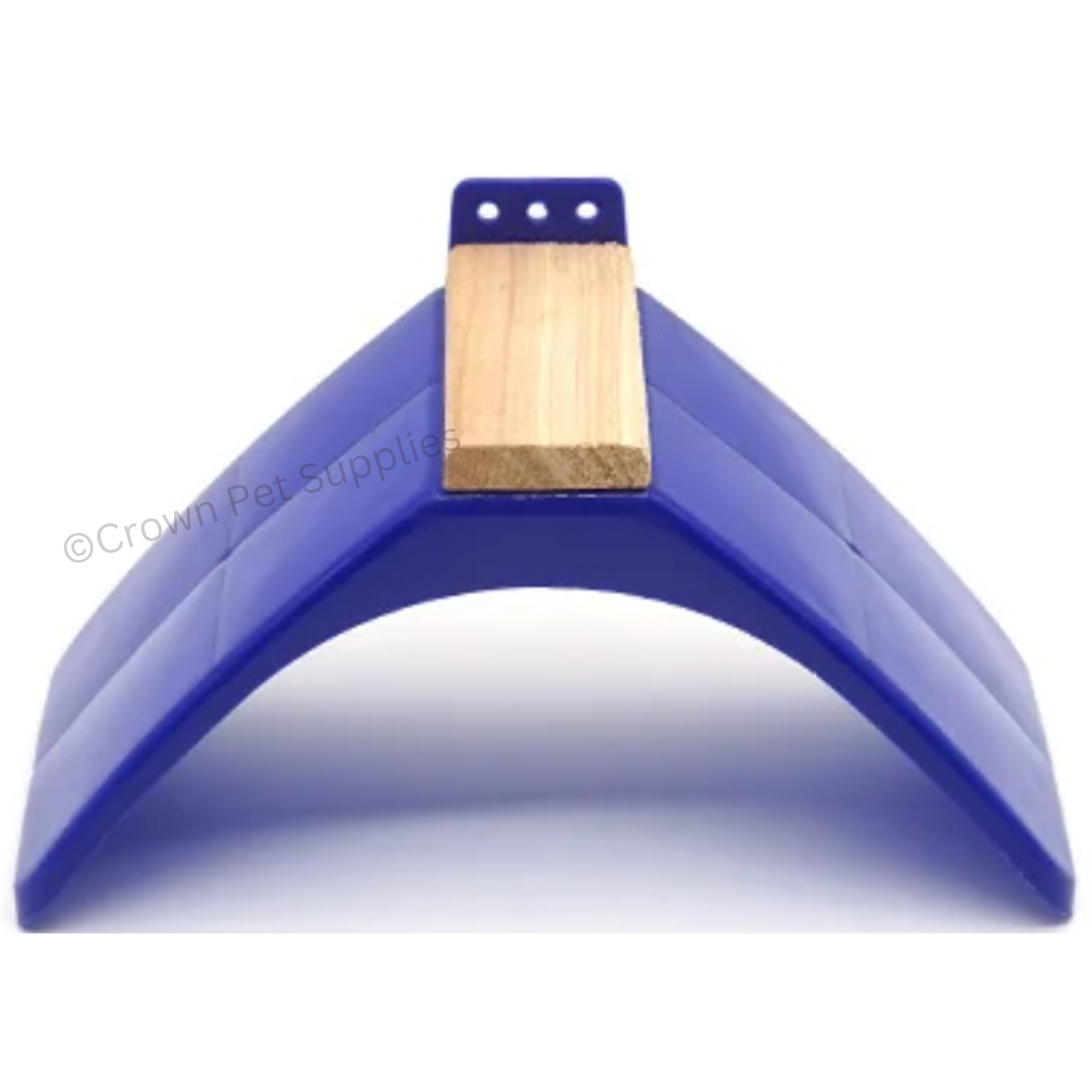
Creating a comfortable and healthy environment for pet birds is one of the most important responsibilities of bird owners. One essential accessory that is often overlooked is the perch. Birds spend most of their time standing, resting, climbing, and sleeping on perches, which means the right choice can directly impact their health and happiness. High-quality Perches help maintain proper foot health, reduce stress, and encourage natural movement inside the cage. Whether you own parrots, pigeons, budgies, cockatiels, or poultry birds, selecting the correct perch size and material can improve their daily life. Pet owners today are becoming more aware of the importance of bird-friendly cage accessories, and trusted stores like Crown Pet Supplies provide a wide range of reliable bird and pet health products.
Why Perches Are Important for Birds
Perches are more than just a place for birds to stand because they support natural behaviors and contribute to overall wellness. Birds in the wild spend their lives moving between branches of different sizes and textures, so providing similar variations inside a cage helps recreate a more natural environment. A good perch supports healthy feet and claws, improves balance and exercise, reduces boredom and stress, and creates a comfortable place for resting and sleeping. Without proper perches, birds may develop foot sores, arthritis, or discomfort that can negatively affect their behavior, movement, and appetite over time.
Different Types of Bird Perches
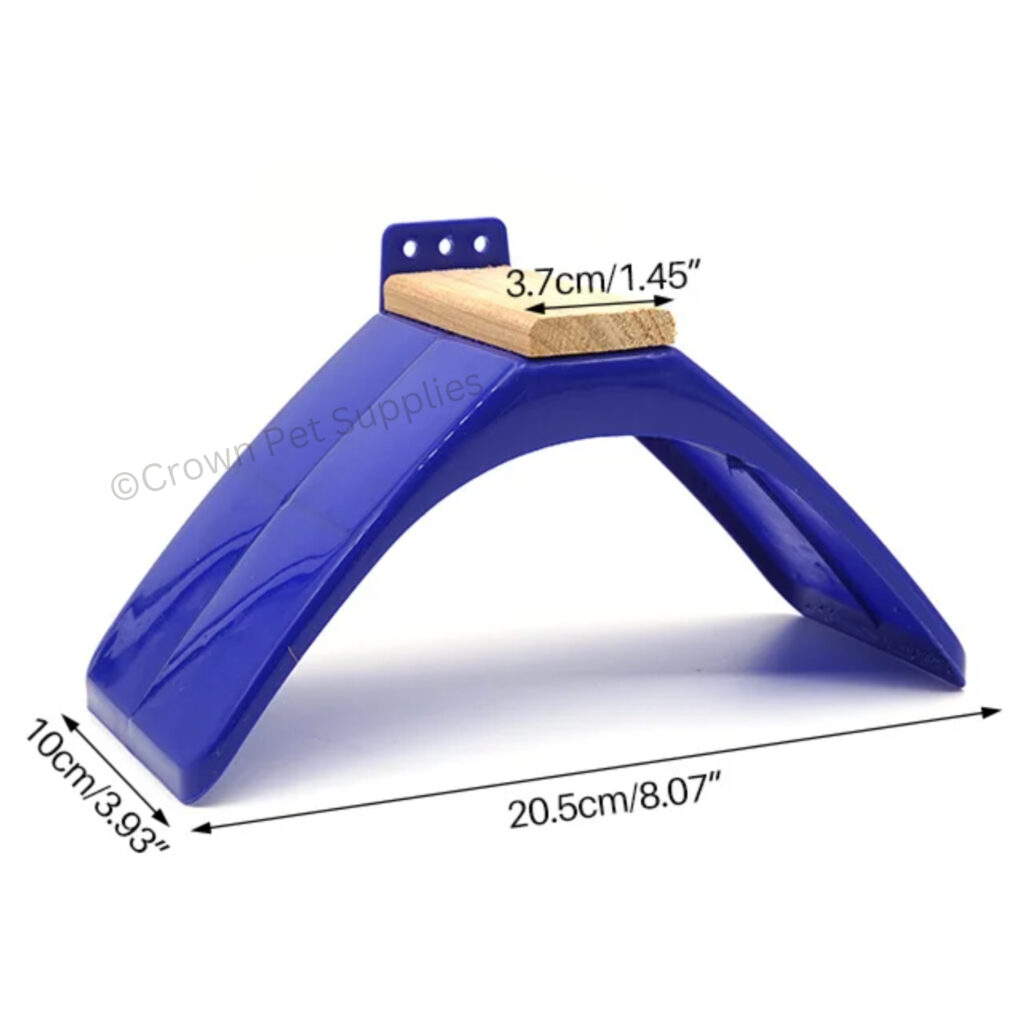
Choosing the right type of perch depends on your bird species, cage size, and activity level. Natural wood perches are among the best options because they closely imitate tree branches found in nature. Their uneven surfaces help exercise bird feet, improve grip, and reduce pressure sores while also giving parrots a safe surface to chew. Rope perches are another popular option because they are soft, flexible, and easy to position inside cages. These perches are especially suitable for active birds that enjoy climbing and balancing, although owners should regularly inspect them for loose fibers or damage. Cement or sanded perches are useful for naturally trimming bird nails, but they should only be used alongside softer perches because rough surfaces may irritate sensitive feet if overused. Plastic perches are affordable and easy to clean, but their smooth surfaces do not provide the texture birds need for proper foot exercise and comfort.
Choosing the Correct Perch Size
Perch size plays a major role in bird comfort and health because a perch that is too large or too small can create unnecessary strain on the feet. The ideal perch allows the bird’s toes to wrap around about two-thirds of the surface without overlapping completely. Birds benefit from having multiple perch sizes inside the cage because different diameters help strengthen foot muscles naturally. Small birds like finches, canaries, and budgies prefer thinner perches for easy gripping, while medium birds such as cockatiels and conures require medium-thickness perches with natural textures. Larger birds, including macaws and African Greys, need thick and durable perches that can comfortably support their body weight without slipping.
Best Materials for Bird Safety
Bird safety should always come first when selecting cage accessories because birds often chew on their surroundings. Safe perch materials include untreated natural wood, sisal rope, bird-safe cement, and stainless steel attachments. These materials are durable, bird-friendly, and free from harmful chemicals. Pet owners should avoid painted or chemically treated wood because toxic coatings can create serious health risks when ingested. Regular cleaning and inspection of perches are also important to prevent bacteria buildup and ensure the cage remains hygienic.
How Perches Support Bird Behavior
Birds are highly intelligent animals that need both mental and physical stimulation to stay healthy. Properly placed perches encourage natural movement, climbing, balancing, and exploration throughout the cage. Birds become more active when perches are positioned at different heights because this setup motivates them to jump, stretch, and move around regularly. Active movement also helps prevent obesity and boredom, especially in pet birds that spend most of their lives indoors. Many experienced bird owners also combine perches with toys, swings, and feeding stations to create a more engaging environment for their pets.
Importance of Hygiene and Maintenance
Keeping bird perches clean is essential for maintaining overall bird health. Dirty perches can collect droppings, bacteria, and moisture that may lead to infections or unpleasant odors inside the cage. Wooden perches should be cleaned carefully with bird-safe products and dried completely before reuse. Rope perches should be checked regularly for wear and replaced if damaged. Rotating or replacing old perches from time to time also keeps birds mentally stimulated because they enjoy changes in their environment. Along with cage hygiene, bird owners often focus on preventive health care products like Hen Wormer to support poultry and bird wellness more effectively.
Common Mistakes Bird Owners Make
Many bird owners unknowingly make mistakes when setting up bird cages. One common mistake is using only one type of perch throughout the cage. Uniform surfaces do not provide enough exercise for bird feet and may cause discomfort over time. Another mistake is placing perches directly above food or water bowls, which can lead to contamination from droppings. Overcrowding cages with too many accessories can also limit movement and reduce comfort for birds. Choosing the correct balance of space, perch variety, and cage accessories helps create a healthier environment.
How to Create the Perfect Cage Setup
An ideal bird cage setup includes a mix of natural wood, rope, and grooming perches placed at different levels. Birds should have easy access to food, water, toys, and resting areas without feeling cramped. Cage size should always match the bird species because active birds need enough room to stretch their wings and move freely. Perches near windows can also provide birds with natural light and environmental stimulation, but cages should never be exposed to direct harsh sunlight or cold drafts.
Conclusion
Perches are one of the most important accessories for maintaining bird comfort, activity, and long-term health. The right combination of perch sizes, materials, and placement helps support natural bird behavior while preventing common foot problems and stress-related issues. Bird owners who invest in high-quality cage accessories create a safer and more enjoyable environment for their pets. Reliable stores like Crown Pet Supplies make it easier to find affordable bird care products, health supplies, and cage essentials for a variety of pets.
FAQ
What type of perch is best for birds?
Natural wood perches are generally considered the best because they provide different textures and support healthy foot exercise.
How many perches should a bird cage have?
Most bird cages should contain at least two or three different perches with varying sizes and materials for comfort and exercise.
How often should bird perches be cleaned?
Bird perches should be cleaned weekly or more frequently if they become dirty to maintain proper hygiene and bird health.
Related Post

Navigating Modern Professional Paths with Career Coaching Excellence
For neurodivergent individuals, the path to a fulfilling career is often filled with unique obstacles [...]

Revitalize Your Home with Expert Kitchen Remodeling in Katy
Your kitchen is more than just a place to cook; it’s the heart of your home. Whether [...]