The Complete Guide to Cooking Oil Recycling at Home
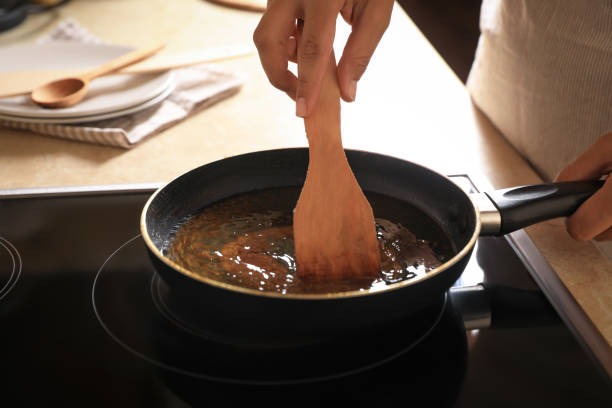
Every kitchen creates used cooking oil, but not every kitchen disposes of it responsibly. While it may seem convenient to throw oil away after cooking, better alternatives exist. cooking oil recycling allows used oil to be transformed into useful products instead of becoming environmental waste. By storing leftover oil inside a durable used cooking oil container, families and businesses can support cleaner communities while reducing pollution. Responsible recycling is simple, practical, and beneficial for everyone involved.
The Growing Importance of Cooking Oil Recycling
As environmental awareness increases, more people are recognizing the importance of cooking oil recycling. Used cooking oil contains valuable materials that can be refined into biodiesel and other industrial products. A properly sealed used cooking oil container helps maintain oil quality until it reaches a certified recycling center.
Responsible recycling also reduces strain on wastewater systems by preventing grease buildup inside sewer pipes. This protects both public infrastructure and the surrounding environment.
Easy Steps for Responsible Oil Disposal
Good recycling habits begin immediately after cooking. Allow oil to cool naturally before pouring it into a clean used cooking oil container. This prevents burns while keeping the storage process safe and organized.
Avoid combining oil with cleaning products or leftover food because contamination reduces recycling efficiency. Clean oil is much easier for cooking oil recycling facilities to process successfully.
Benefits of Using a Dedicated Used Cooking Oil Container
A dedicated used cooking oil container provides several practical advantages. It keeps oil contained, prevents unpleasant odors, and reduces the risk of accidental spills around the kitchen.
Reusable containers also simplify transportation when it’s time to recycle. Whether you’re storing small household amounts or larger commercial volumes, proper containers make cooking oil recycling much more efficient.
Cooking Oil Recycling Practices That Work
Following these practical habits can improve your recycling routine.
- Always store cooled oil in a clean used cooking oil container.
- Close the lid securely after every use.
- Keep the container separate from household garbage.
- Deliver the oil to a trusted cooking oil recycling facility when full.
These small actions help maintain high-quality recyclable oil while protecting your home and the environment.

How Recycling Supports Sustainability
Cooking oil recycling helps reduce environmental waste while supporting renewable energy production. Instead of becoming landfill waste, recycled oil is converted into valuable resources that benefit multiple industries.
Using a dependable used cooking oil container also minimizes leaks that could contaminate surrounding soil or waterways. Responsible handling ensures that recycling efforts have the greatest possible environmental impact.
Commercial Kitchens Can Lead the Way
Food service businesses generate larger volumes of cooking oil, making organized cooking oil recycling especially valuable. Dedicated collection procedures improve workplace safety while reducing waste disposal costs.
Providing staff with an accessible used cooking oil container encourages consistent recycling habits and helps maintain clean kitchen operations. Scheduled recycling services further simplify the process.
Building Long-Term Recycling Habits
Consistency is the key to successful cooking oil recycling. Families can keep a used cooking oil container in a convenient location, making responsible disposal part of every cooking routine.
Businesses can strengthen their sustainability efforts by educating employees and regularly reviewing recycling practices. Over time, these habits become standard operating procedures that benefit both the environment and the organization.
Conclusion
Cooking oil recycling is a responsible solution that transforms everyday kitchen waste into valuable resources. Using a secure used cooking oil container keeps storage safe, organized, and ready for recycling. Whether in a home or commercial kitchen, proper disposal protects plumbing systems, reduces pollution, and supports sustainable resource management. By making recycling a regular habit, everyone can contribute to a cleaner and more environmentally responsible future.
Related Post

How to Sell a House Fast in the UK: Real Advice That Actually Holds Up
Speed is almost always somewhere on a seller’s wish list. Some people are in a [...]

The Evolution of Professional Cosmetic Hair Reduction
Modern beauty treatments have introduced more convenient ways to maintain healthy and smooth skin. Many [...]